Vancouver’s Rainy Season Appliance Mold Crisis
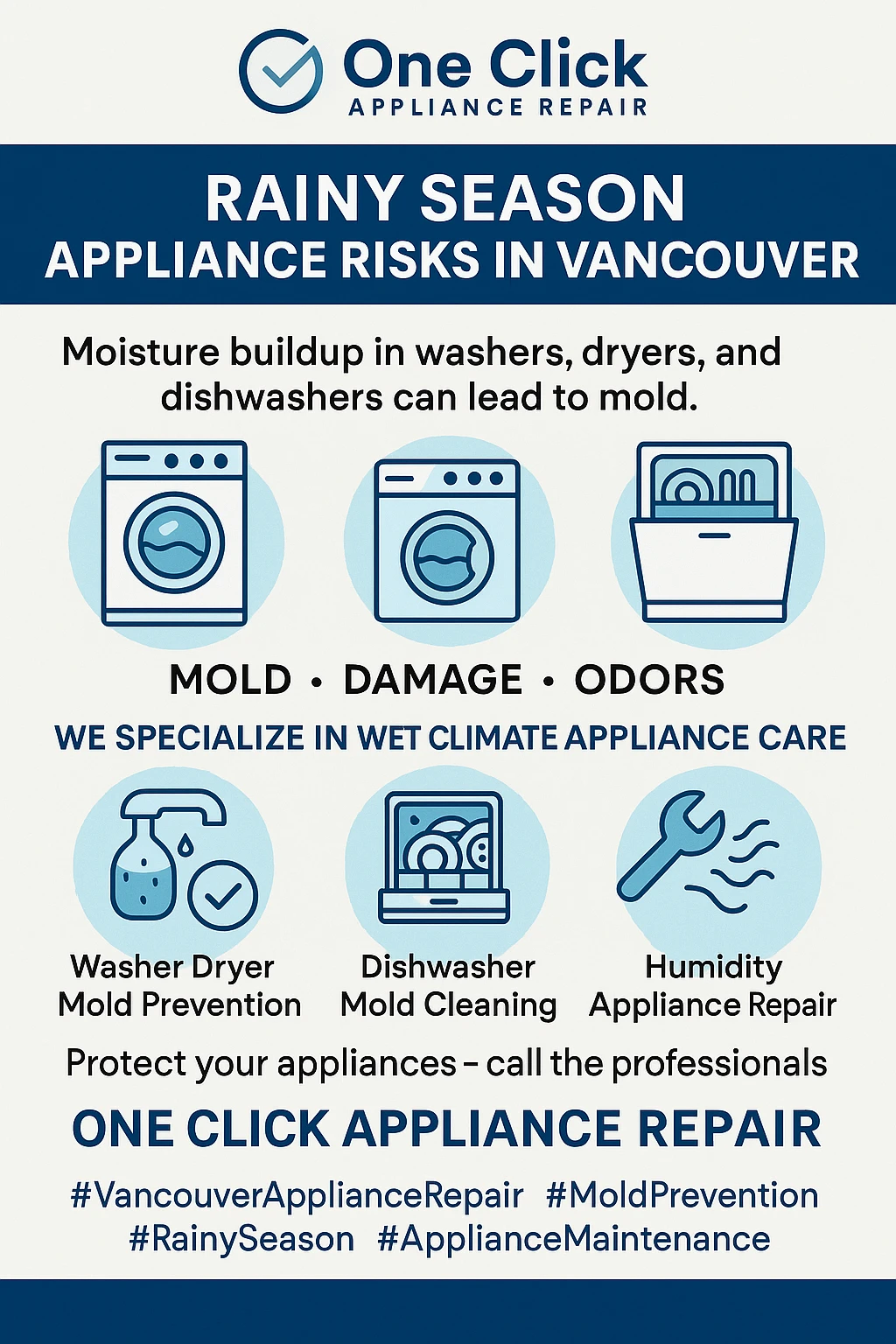
Wondering why your kitchen appliances keep developing that musty smell despite Vancouver’s reputation for fresh ocean air? The shocking truth is that our coastal city’s notorious rainy season creates the perfect storm for appliance mold growth that can destroy your expensive equipment and potentially harm your family’s health – often without you even realizing it’s happening.
Picture this: you open your dishwasher after what seemed like a normal cycle, only to be hit with a wave of that unmistakable musty odor. Later that week, you notice black spots forming around your washing machine’s rubber seal, and your refrigerator starts making strange noises while struggling to maintain proper temperatures. What you’re experiencing isn’t a series of coincidental appliance failures – it’s the direct result of Vancouver’s unique coastal environment creating conditions that promote aggressive mold growth throughout your home’s most essential equipment.
The combination of persistent rainfall, elevated humidity levels, and salt-laden ocean air that makes Vancouver so beautiful also creates a hidden threat that systematically infiltrates household appliances. While most homeowners focus on visible mold problems in bathrooms and basements, the reality is that appliances provide ideal breeding grounds for these dangerous microorganisms, offering warm, moist environments with plenty of organic materials for mold to consume and multiply rapidly.
Key Outtakes:
- Vancouver’s coastal humidity accelerates mold growth in appliances at rates 40% higher than interior Canadian cities
- Front-loading washing machines and dishwashers are particularly vulnerable due to seal designs that trap moisture
- Salt air penetration reaches up to 25 kilometers inland, creating corrosive conditions that compromise appliance seals
- Proper prevention strategies can reduce mold-related appliance failures by up to 80% while extending equipment lifespan
- Professional remediation becomes necessary when mold growth exceeds surface-level contamination
Understanding Vancouver’s Mold-Perfect Climate
Vancouver’s geographic position between the Pacific Ocean and Coast Mountains creates a microclimate that’s uniquely challenging for appliance maintenance. Our average annual rainfall of 1,200 millimeters, combined with humidity levels that regularly exceed 70% during winter months, provides the moisture that mold spores need to establish colonies and reproduce rapidly. Unlike cities with more predictable seasonal patterns, Vancouver experiences frequent temperature fluctuations that create condensation cycles throughout the year, turning appliance interiors into perpetual moisture traps.
The salt air factor extends much further inland than most residents realize, affecting homes in Burnaby, Richmond, and even parts of Surrey. This ocean-influenced air doesn’t just corrode metal components – it also breaks down rubber seals and gaskets that are designed to keep moisture out of sensitive appliance areas. When these protective barriers fail, even small amounts of ambient humidity can penetrate deep into appliance cavities where drainage systems were never designed to handle such conditions.

Front-Loading Washing Machines: Mold’s Favorite Target
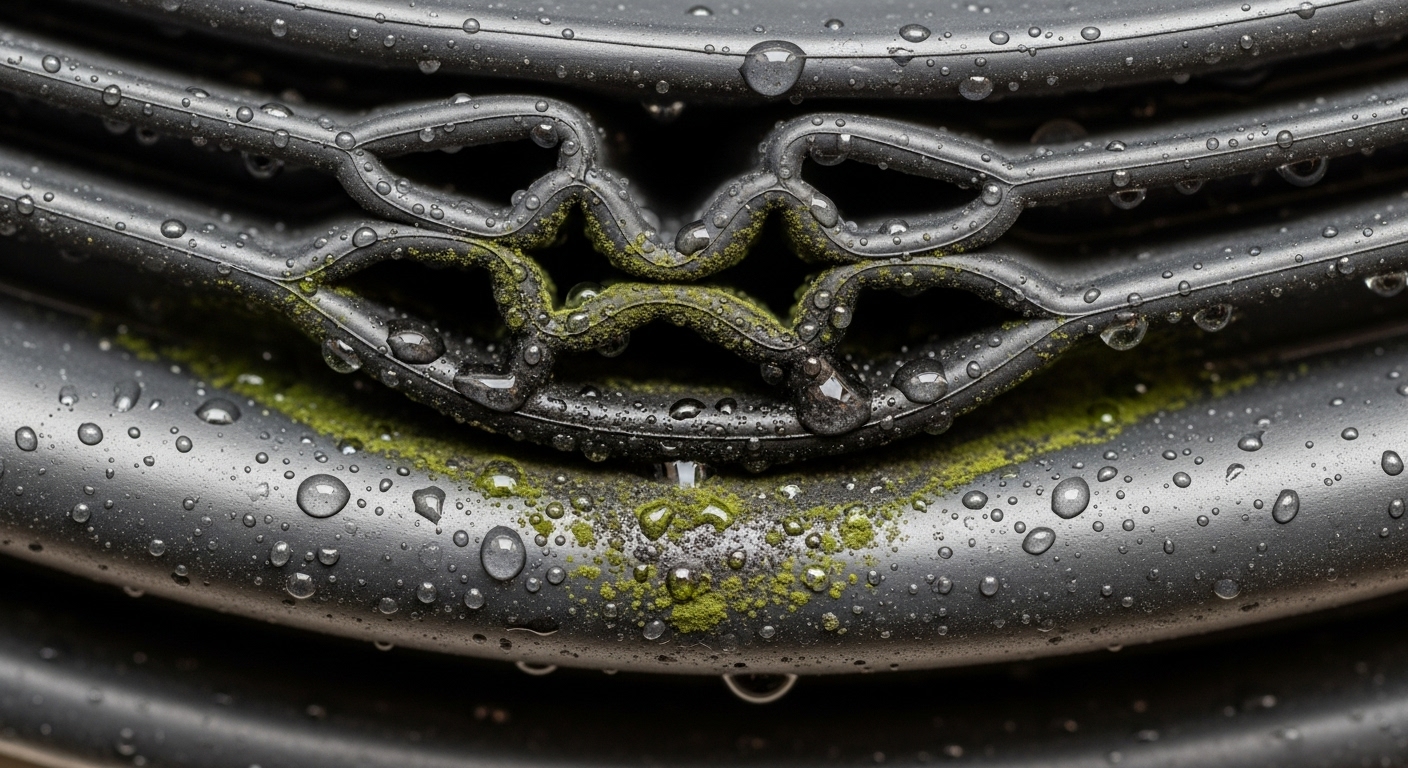
Front-loading washing machines represent the most vulnerable appliances in Vancouver homes due to their horizontal drum design and rubber door seals that create perfect moisture retention conditions. The rubber bellows around the door opening are specifically engineered to prevent water leaks during operation, but this same design feature creates deep folds and crevices where water pools after each wash cycle. In Vancouver’s humid environment, this trapped moisture never fully evaporates, providing ideal conditions for black mold growth that can establish colonies within 24-48 hours.
Prevention Strategies for Washing Machines
Preventing mold growth in front-loading washers requires consistent maintenance habits that address Vancouver’s specific environmental challenges. After every wash cycle, leave the door open for at least two hours to allow air circulation and moisture evaporation – this simple step can reduce mold establishment by up to 70%. Wipe down the rubber seal thoroughly after each use, paying particular attention to the bottom fold where water naturally accumulates due to gravity.
Dishwashers: Hidden Mold Breeding Grounds
Dishwashers present unique mold growth challenges because they combine hot, humid conditions with organic food residues that provide excellent nutrition for fungal colonies. The transition from understanding washing machine vulnerabilities to examining dishwasher mold risks reveals how these kitchen workhorses can harbor dangerous microorganisms in areas that owners rarely inspect or clean thoroughly.
Refrigerators: Unexpected Mold Havens
Refrigerators might seem immune to mold problems due to their cold internal temperatures, but Vancouver’s climate creates unique challenges that can lead to significant contamination in both cooling and drainage systems. Door seals represent another critical vulnerability point where warm, humid kitchen air meets the cool refrigerator interior, creating condensation that can support mold establishment in gasket folds and crevices.
Professional Mold Assessment and Remediation
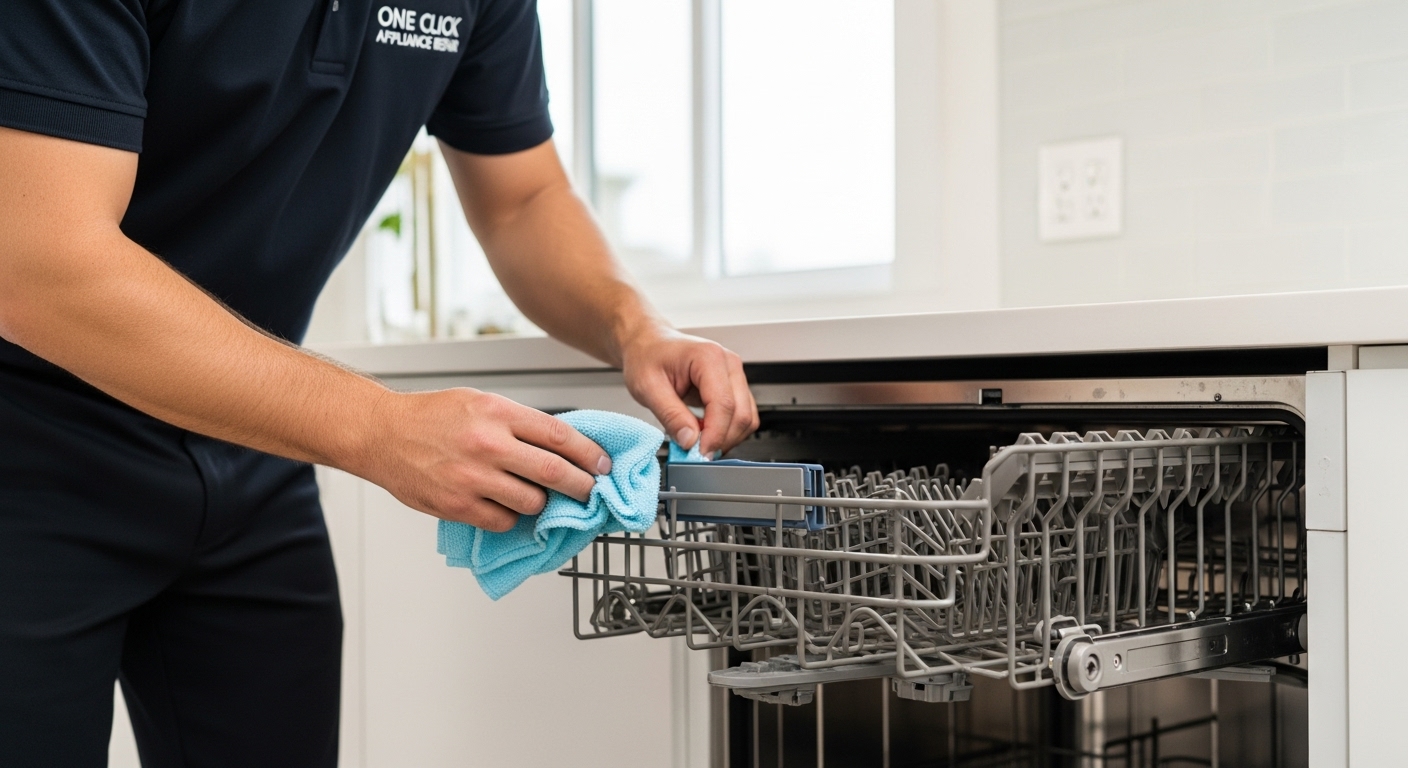
Recognizing when appliance mold problems exceed the scope of DIY cleaning efforts requires understanding the warning signs that indicate professional intervention is necessary. Moving from prevention strategies to professional remediation reveals the importance of addressing extensive contamination before it causes permanent appliance damage or health risks.
Wrapping Up
Vancouver’s unique coastal climate presents ongoing challenges for maintaining mold-free appliances, but understanding these risks empowers homeowners to take proactive steps that protect both equipment investments and family health. At One Click Appliance Repair, we understand the unique challenges that Vancouver’s climate presents for appliance maintenance and have helped countless homeowners throughout Burnaby, Richmond, and Surrey address mold-related appliance problems before they become major issues.