Wondering why your furry friend keeps munching on the lawn like it’s a gourmet salad? You’re not alone in puzzling over this quirky canine behavior that seems to happen at the most random times!
If you’ve ever caught your dog grazing in the backyard like a four-legged cow, you’ve probably wondered what’s going on in their fuzzy little brain. This behavior might seem strange to us humans, but it’s actually incredibly common among dogs of all ages and breeds. Understanding why dogs eat grass can help put your mind at ease and even give you insights into your pet’s health and natural instincts.
While seeing your pup chomping on greenery might make you worry, the truth is that grass-eating is typically a normal behavior. However, there are several different reasons why your dog might be drawn to your lawn, and some situations do warrant a closer look.
Key Outtakes:
- Grass eating is normal behavior for most dogs and usually isn’t cause for concern
- Dogs may eat grass due to instinctual behavior, dietary needs, or simply because they enjoy the taste
- Occasional vomiting after eating grass is common, but frequent illness requires veterinary attention
- Understanding the difference between normal and problematic grass eating helps you know when to worry
- Simple changes to diet, exercise, and environment can often address excessive grass consumption

Understanding Normal Grass-Eating Behavior
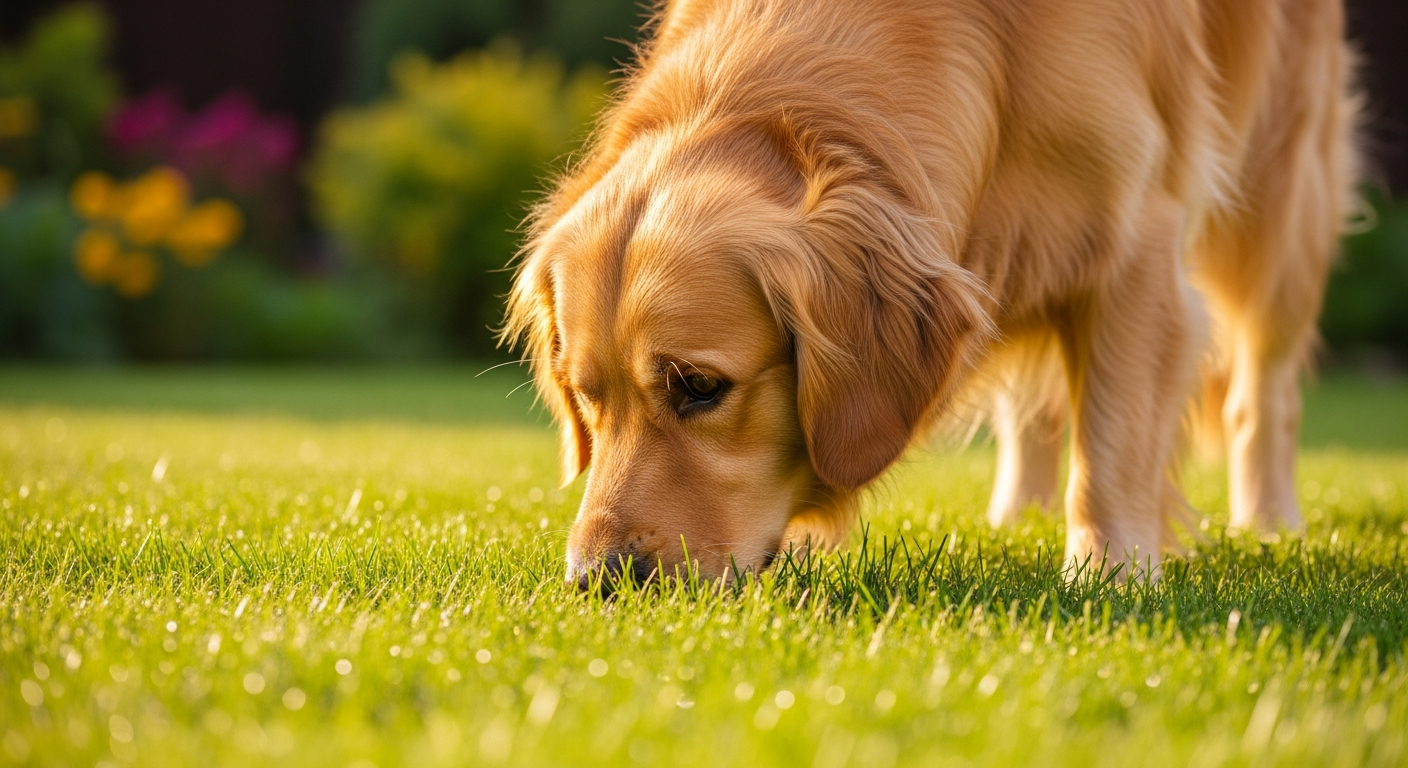
Most dog owners discover that why dogs eat grass isn’t actually a mystery that needs solving – it’s simply part of being a dog. Studies show that up to 80% of dogs eat grass at some point, making this behavior incredibly widespread across different breeds, ages, and living situations. Your dog isn’t broken or sick just because they occasionally treat your lawn like their personal buffet.
The behavior typically looks pretty straightforward: your dog walks outside, sniffs around a bit, then starts methodically chewing and swallowing grass blades. Some dogs are picky eaters who select specific types of grass, while others seem happy to munch on whatever green stuff is available. Most dogs eat grass calmly and deliberately, almost like they’re following some internal instruction manual.
What makes this behavior even more interesting is that it appears to be completely natural and instinctual. Wild canines and wolves also eat grass and other plant materials, suggesting that domestic dogs have inherited this tendency from their ancestors. This evolutionary connection helps explain why even well-fed, healthy dogs still feel compelled to graze occasionally.
Common Reasons Dogs Eat Grass
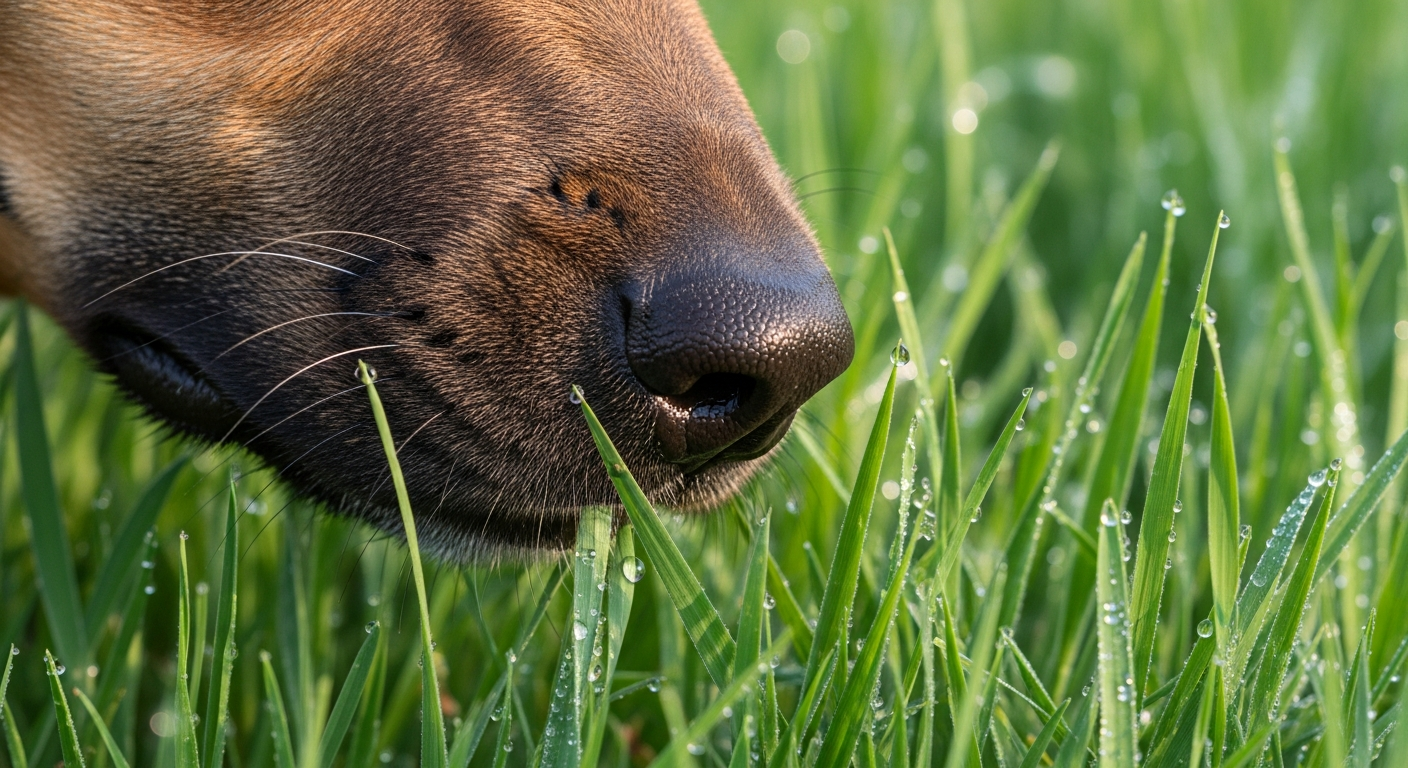
Understanding why dogs eat grass when they are sick versus when they’re perfectly healthy can help you decode your pet’s behavior. The most common reason is surprisingly simple: they like how it tastes and feels. Many dogs genuinely enjoy the texture and flavor of fresh grass, especially young, tender shoots that appear in spring and after rainy periods.
Boredom plays a huge role in grass consumption, particularly for dogs who spend lots of time in yards without much stimulation. Just like humans might mindlessly snack when they’re not really hungry, dogs may start grazing when they’re looking for something interesting to do. This is especially common in dogs who don’t get enough mental stimulation or physical exercise throughout the day.
Sometimes why dogs eat grass and dirt together points to nutritional gaps in their diet. While commercial dog foods are generally nutritionally complete, some dogs may instinctively seek out additional fiber, vitamins, or minerals found in plant materials. This behavior is more common in dogs fed lower-quality foods or those with specific digestive sensitivities that affect nutrient absorption.
Attention-seeking can also drive this behavior, especially if your dog has learned that eating grass gets a big reaction from you. If you consistently rush over, make a fuss, or try to stop the behavior every time your dog starts grazing, they may continue doing it simply because it’s an effective way to get your undivided attention.
Seasonal and Environmental Factors
Many dog owners notice that why dogs eat grass and plants varies significantly with the seasons. Spring grass is often more appealing because it’s tender, sweet, and loaded with moisture. During hot summer months, dogs might eat grass less frequently, while fall can bring renewed interest as cooler weather makes outdoor time more comfortable.
The type of grass available also matters. Dogs often show preferences for certain varieties, gravitating toward softer, newer growth over tough, mature grass. Some dogs specifically seek out why dogs eat grass and leaves from particular plants, which may indicate they’re responding to different textures, tastes, or even nutritional profiles in various vegetation.
When Grass Eating Becomes a Concern
While most grass eating is harmless, there are definitely times when this behavior shifts from normal to potentially problematic. Knowing when to worry can help you protect your dog’s health and address underlying issues before they become serious. The key is recognizing patterns and changes in your dog’s typical behavior.
Why dogs eat grass and throw up occasionally is usually not cause for alarm, but frequent vomiting definitely warrants attention. If your dog consistently vomits after eating grass, or if they seem to be eating grass specifically to make themselves vomit, this could indicate an underlying stomach problem, dietary issue, or other health concern that needs veterinary evaluation.
Excessive grass consumption that interferes with normal eating, drinking, or daily activities is another red flag. Some dogs can develop obsessive behaviors around grass eating, spending hours grazing instead of engaging in normal dog activities. This level of fixation often indicates stress, anxiety, or compulsive disorder that may benefit from professional intervention and behavior modification.
Changes in the way your dog eats grass can also signal problems. If a dog who previously grazed calmly suddenly starts frantically gulping down large amounts of grass, or if a dog who never showed interest in grass suddenly becomes obsessed with it, these behavioral shifts may indicate digestive discomfort, stress, or illness.
Signs That Require Veterinary Attention
Several specific symptoms accompanying grass eating should prompt an immediate call to your veterinarian. Persistent vomiting, especially if it contains blood or occurs multiple times per day, needs professional evaluation regardless of whether grass eating preceded it. Similarly, if your dog shows signs of intestinal blockage – such as repeated unproductive vomiting, inability to defecate, or obvious abdominal pain – emergency veterinary care is essential.
Sudden changes in appetite, energy levels, or bathroom habits that coincide with increased grass eating may indicate underlying health issues. Why dogs eat grass when sick often relates to nausea or digestive upset, but the grass eating itself isn’t usually the primary concern – it’s the underlying condition that needs treatment.
The Vomiting Connection
One of the most common concerns dog owners have is understanding why dogs eat grass then throw up, and whether this indicates a serious problem. The relationship between grass consumption and vomiting is more complex than it might initially appear, and the vast majority of cases are completely benign.
Many dogs do vomit after eating grass, but research suggests this isn’t usually the primary motivation for the grass eating. Studies indicate that less than 25% of dogs actually vomit after consuming grass, and most dogs don’t appear sick before they start grazing. This suggests that dogs aren’t necessarily eating grass as a form of self-medication, despite popular belief.
When vomiting does occur after grass consumption, it’s often simply because grass can be difficult for dogs to digest properly. The high fiber content and tough texture can irritate sensitive stomachs, especially if dogs eat large quantities quickly. Additionally, some dogs may accidentally ingest dirt, chemicals, or other irritants along with the grass, which can trigger protective vomiting responses.
The timing and frequency of vomiting episodes provide important clues about whether the behavior is normal or concerning. Occasional vomiting that produces mostly grass and stomach liquid, followed by normal appetite and energy levels, typically isn’t worrisome. However, frequent vomiting, blood in vomit, or signs of illness before or after grass eating should always be evaluated by a veterinarian.
Preventing Grass-Related Upset
If your dog tends to experience stomach upset after eating grass, there are several strategies that can help minimize problems. Ensuring your dog has access to fresh water before and after grass eating can help with digestion and reduce the likelihood of irritation. You might also try redirecting your dog to other activities when you notice excessive grass consumption.
Maintaining a regular feeding schedule can also reduce grass eating motivated by hunger or empty stomach discomfort. Some dogs eat grass when their stomachs are empty, which increases the likelihood of subsequent vomiting. Providing smaller, more frequent meals may help address this pattern.
Safe Alternatives and Management Strategies
For dog owners who want to manage or redirect their pet’s grass-eating behavior, there are numerous safe and effective approaches that work with, rather than against, your dog’s natural instincts. The goal isn’t necessarily to eliminate grass eating entirely, but to ensure it happens safely and doesn’t become excessive or problematic.
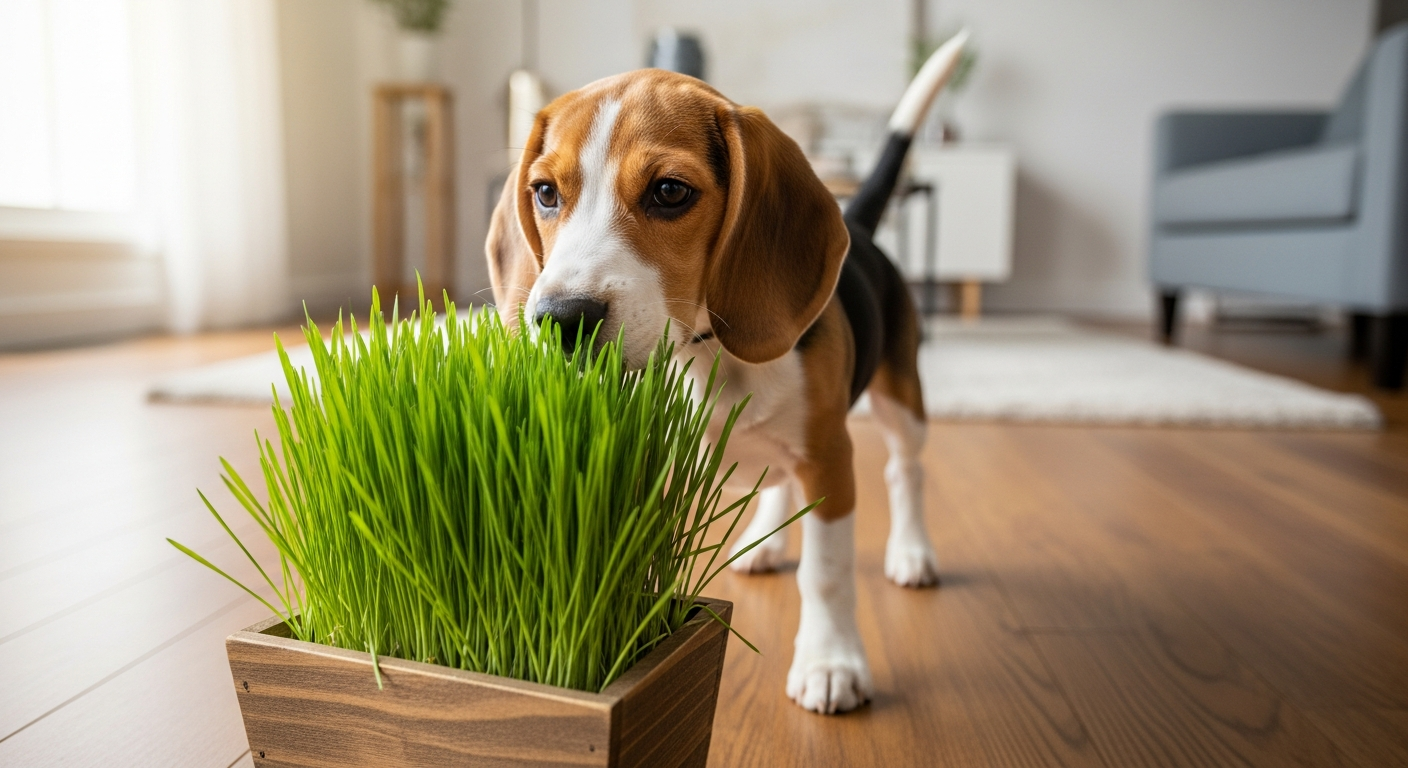
Providing safe, pesticide-free grass specifically for your dog can satisfy their grazing instincts while giving you peace of mind about what they’re consuming. You can grow dog-safe grasses like wheatgrass or barley grass in containers, which many dogs find just as appealing as lawn grass. This approach is particularly useful for apartment dwellers or those with chemically treated yards.
Increasing mental stimulation and physical exercise often reduces recreational grass eating significantly. Bored dogs are much more likely to graze extensively, so providing puzzle toys, training sessions, longer walks, or interactive play can redirect their attention toward more engaging activities. Many dog owners find that why dogs eat grass and plants decreases substantially when their pets have more structured activities throughout the day.
Dietary adjustments can also help address grass eating that stems from nutritional needs or digestive issues. Adding more fiber to your dog’s diet through vegetables like green beans or carrots may satisfy the same urges that drive grass consumption. Some dogs benefit from probiotics or digestive enzymes that improve gut health and reduce the instinctual drive to seek additional plant materials.
Creating a Dog-Friendly Yard
If you have outdoor space, creating designated areas where grass eating is safe and acceptable can provide the best of both worlds. This might involve maintaining a pesticide-free section of your yard specifically for your dog, or planting dog-safe herbs and grasses that provide interesting textures and flavors without health risks.
Understanding why dogs eat grass and dirt in specific areas of your yard can help you identify potential hazards or attractions. Dogs may be drawn to recently fertilized areas, spots where interesting scents linger, or patches of particularly tender grass. Monitoring these patterns helps you manage their environment more effectively.
Frequently Asked Questions
Should I stop my dog from eating grass?
In most cases, there’s no need to completely prevent grass eating since it’s a normal behavior for dogs. However, you should ensure the grass is free from pesticides, herbicides, and other chemicals that could be harmful. If your dog eats grass excessively or shows signs of illness afterward, consider consulting with your veterinarian about potential underlying causes.
Focus on making grass eating as safe as possible rather than eliminating it entirely. This means maintaining clean, chemical-free areas where your dog can graze safely, and redirecting them away from treated lawns or areas that might contain harmful substances.
Is it normal for puppies to eat grass?
Puppies commonly eat grass as part of their natural exploration and learning process. Young dogs use their mouths to investigate the world around them, and grass eating often falls into this category of normal investigative behavior. Most puppies will naturally moderate this behavior as they mature and learn what is and isn’t food.
However, puppies may be more sensitive to digestive upset from grass consumption, so monitor young dogs more closely and ensure they’re not eating excessive amounts. Providing appropriate chew toys and training can help redirect excessive grass eating in puppies while still allowing normal exploratory behavior.
Can eating grass hurt my dog?
Plain, untreated grass is generally safe for dogs to eat in moderate amounts. The primary risks come from chemicals applied to lawns, such as fertilizers, pesticides, or herbicides, which can be toxic to pets. Additionally, some plants that might be mixed with grass can be harmful to dogs, so it’s important to know what’s growing in your yard.
Excessive grass consumption can sometimes cause digestive blockages, especially if dogs eat large amounts of tough, mature grass. Most dogs naturally self-regulate their grass intake, but dogs with compulsive behaviors may need additional monitoring and management to prevent overconsumption.
Wrapping Up
Understanding why dogs eat grass helps you respond appropriately to this common canine behavior and know when professional attention might be needed. Most grass eating is completely normal and doesn’t require intervention, but staying alert to changes in patterns or accompanying symptoms ensures your dog’s health and happiness. When it comes to keeping your home running smoothly while managing your pet’s quirky habits, One Click Appliance Repair is here to help with reliable maintenance and repair services for all your household appliances, so you can focus on what matters most – enjoying life with your four-legged family member.