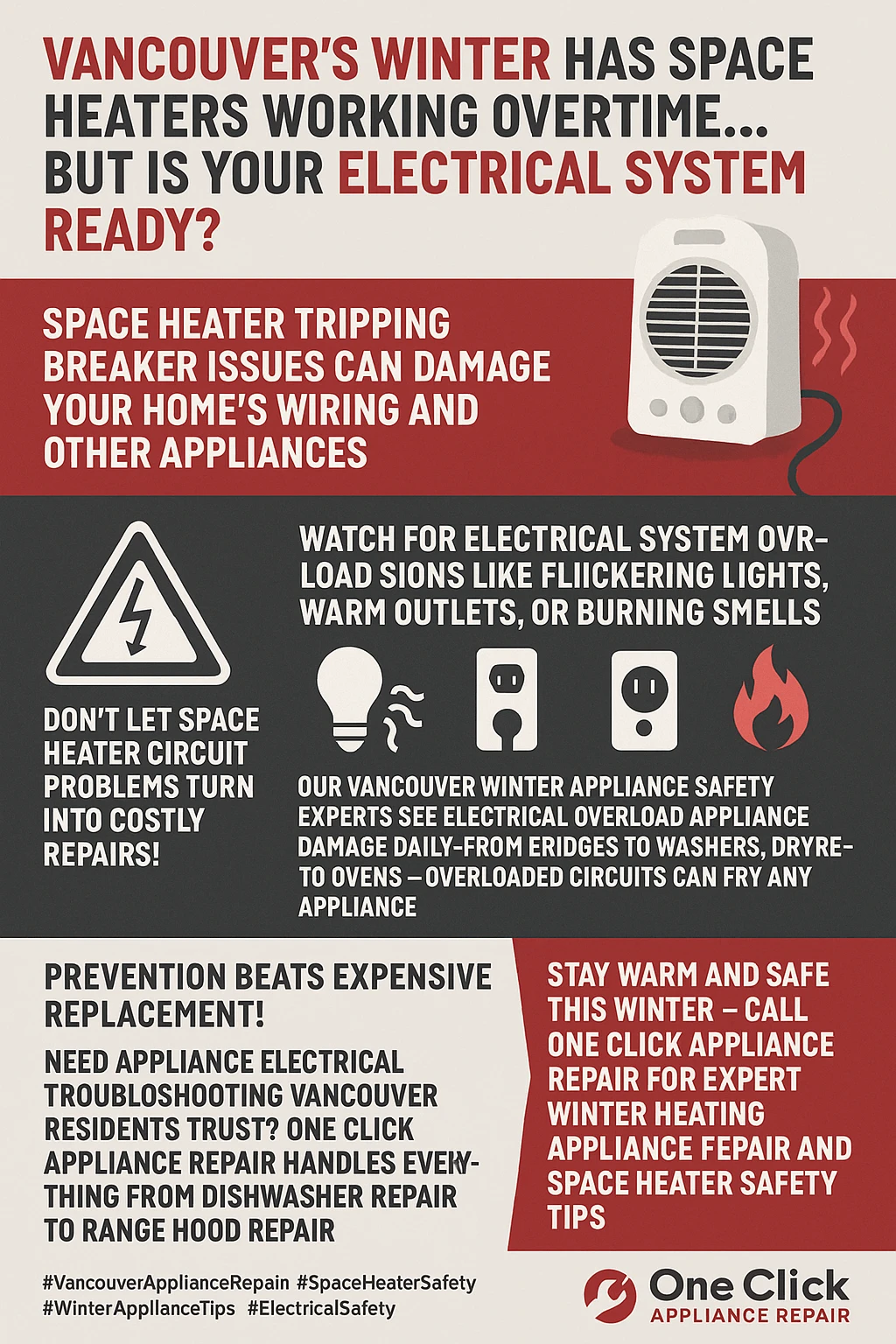
Wondering why your space heater keeps tripping the breaker every time you try to warm up your Vancouver home? You’re not alone – this electrical overload crisis is affecting homeowners across the city, from Kitsilano condos to Richmond townhouses, and understanding the root cause could save you from a potential fire hazard. Winter in Vancouver might be milder than other Canadian cities, but when those chilly Pacific Northwest nights roll in, many of us reach for our trusty space heaters. What should be a simple solution to stay cozy has turned into a frustrating electrical nightmare for countless homeowners. The reality is that most Vancouver homes weren’t designed to handle the electrical demands of modern space heating, creating a perfect storm of tripped breakers, overloaded circuits, and serious safety concerns. I learned this the hard way last winter when my vintage 1970s Burnaby bungalow started throwing tantrums every time I plugged in my new 1500-watt heater. One minute I’m settling in for a Netflix marathon, the next I’m fumbling around in the dark trying to figure out which breaker decided to take a coffee break. Sound familiar?
Key Outtakes:
- Most Vancouver space heaters draw 12.5 amps at full power, nearly maxing out standard 15-amp household circuits
- Electrical fires increase by 50% during winter months, with space heaters being the primary culprit in residential blazes
- Health Canada has documented 252 safety incidents involving portable electric heaters between 2011-2023, including 5 deaths
- Simple solutions like using lower wattage settings or dedicated 20-amp circuits can prevent most overload issues
- Professional electrical upgrades may be necessary for older Vancouver homes with outdated wiring systems
Understanding Vancouver’s Space Heater Electrical Crisis
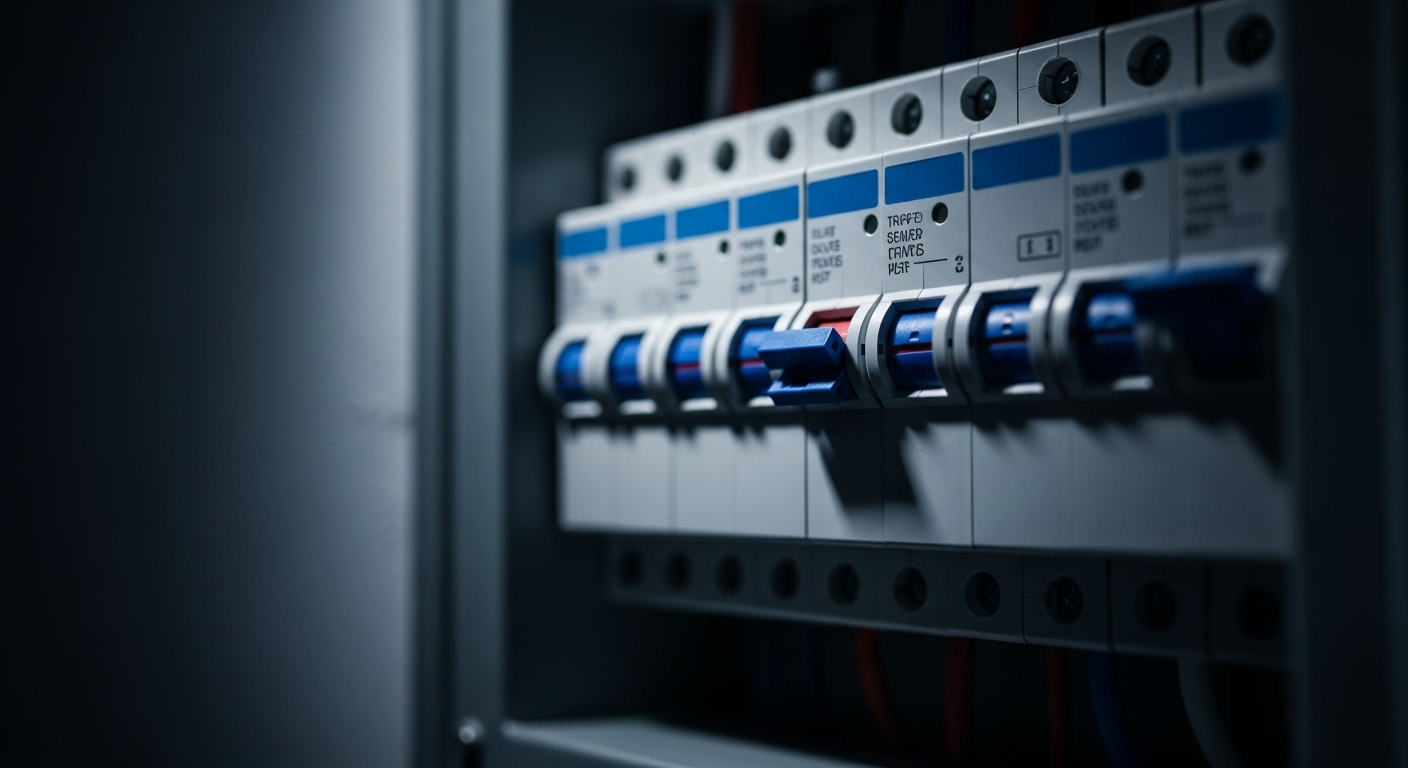 The math behind Vancouver’s space heater problem is surprisingly straightforward, yet most homeowners don’t realize they’re playing electrical Russian roulette every time they crank up the heat. A typical 1500-watt space heater pulls exactly 12.5 amps when running at full capacity – that’s using about 83% of a standard 15-amp household circuit’s capacity before you’ve plugged in anything else. Here’s where things get spicy: most Vancouver homes, especially those charming older places in neighborhoods like Mount Pleasant and Commercial Drive, have circuits that serve multiple outlets and devices. Your space heater might be sharing electrical real estate with your TV, laptop charger, table lamps, and that ancient mini-fridge you refuse to replace. Add up all those electrical appetites, and you’ve got a recipe for a tripped breaker faster than you can say ‘Vancouver Special.’ The problem becomes even more complex when you consider that circuit breakers follow the 80% rule for continuous loads. This means a 15-amp breaker should really only handle 12 amps continuously, and your space heater alone pushes that limit to the breaking point. When other devices kick on – like your refrigerator’s compressor cycle or someone turning on a hair dryer – that’s often the final straw that sends your breaker into protective mode.
The Hidden Dangers of Electrical Overloads
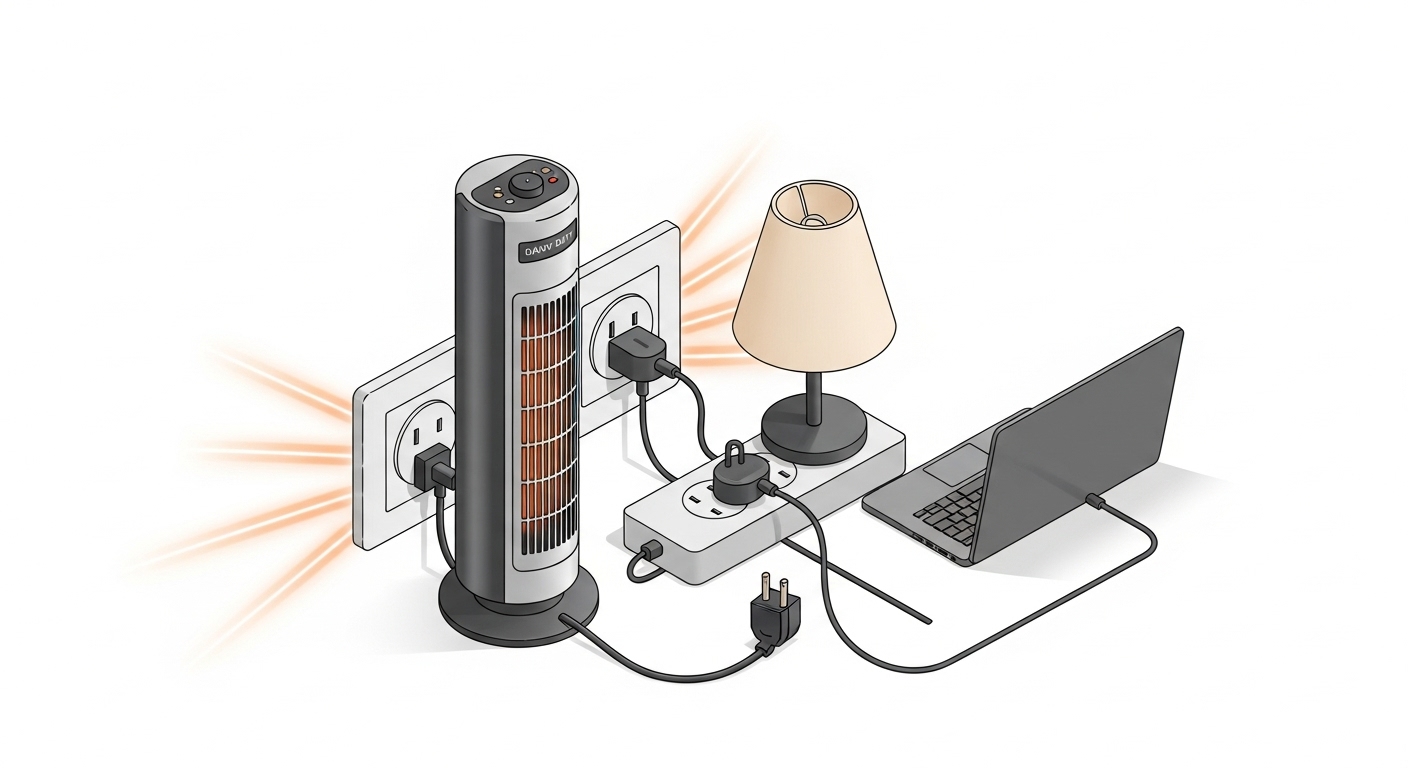 While a tripped breaker might seem like just an annoying inconvenience, it’s actually your home’s electrical system doing exactly what it’s designed to do: protecting you from a potentially catastrophic situation. What many Vancouver homeowners don’t realize is that electrical fires represent one of the most serious home safety threats, particularly during the heating season. Recent data from electrical safety experts shows that winter electrical fires jump by 50% compared to summer months, with space heaters being the leading cause. These aren’t just statistics – they represent real families dealing with devastating losses that could have been prevented with proper electrical awareness. The scary part is that many electrical fires start inside walls where you can’t see them developing, often from overloaded circuits that have been stressed beyond their safe capacity. Beyond the fire risk, there’s also the issue of damaged electronics and appliances. When circuits become overloaded, voltage can fluctuate wildly, potentially frying sensitive equipment like computers, gaming systems, or that expensive smart TV you just bought. I’ve seen friends lose hundreds of dollars in electronics because they didn’t understand the electrical limitations of their Vancouver home’s aging infrastructure. The human cost is even more sobering. Burns from overheated outlets, smoke inhalation from electrical fires, and carbon monoxide exposure from makeshift heating solutions all pose serious health risks. Vulnerable populations – including elderly residents, young children, and people with mobility issues – face heightened dangers because they may not be able to respond quickly enough when electrical emergencies occur.
Identifying Circuit Capacity and Load Issues
Before you can solve your space heater problems, you need to become a bit of an electrical detective and figure out what’s actually happening in your Vancouver home’s wiring system. Most homeowners have never really examined their electrical panel, but it’s actually a fascinating roadmap of how your home’s power is distributed – think of it as your house’s electrical nervous system. Start by locating your main electrical panel – it’s usually in the basement, garage, or a utility closet. You’ll see rows of switches (circuit breakers) with numbers like 15, 20, or 30 printed on them. These numbers tell you the amperage capacity of each circuit. Most general household outlets are protected by 15-amp breakers, while some kitchen and bathroom circuits might have 20-amp protection for higher-demand appliances. Here’s a pro tip that saved me countless headaches: create a circuit map of your home. Turn off one breaker at a time and walk through your house to see what stops working. You might discover that your living room space heater shares a circuit with the kitchen microwave, or that your bedroom outlets are somehow connected to the basement lights. This knowledge is electrical gold when you’re trying to solve overload issues. The real eye-opener comes when you start calculating actual electrical loads. Grab a calculator and add up everything that’s typically running on the same circuit as your space heater. A 100-watt table lamp draws about 0.8 amps, your 55-inch TV might pull 1.5 amps, and that desktop computer could be using 2-3 amps. When you see these numbers on paper, it becomes crystal clear why adding a 12.5-amp space heater pushes things over the edge.
Practical Solutions for Safe Space Heating
Now for the good news – there are several practical strategies that can help you stay warm without turning your Vancouver home into an electrical hazard zone. The simplest solution often involves nothing more than adjusting how and where you use your existing space heater, though some situations may require more comprehensive approaches. The easiest fix is to embrace the lower heat settings on your space heater. Most units offer multiple power levels, with the ‘low’ setting typically drawing around 800-900 watts instead of the full 1500 watts. That drops your electrical load from 12.5 amps down to about 7.5 amps, leaving plenty of headroom for other devices on the same circuit. Yes, it takes longer to warm up your space, but you’ll avoid the frustrating cycle of constantly resetting tripped breakers. Location strategy can make a huge difference too. Kitchen and bathroom outlets in newer Vancouver homes often run on dedicated 20-amp circuits designed to handle high-power appliances like hair dryers and microwaves. If you can safely position your space heater to plug into one of these outlets – and you’re not simultaneously using other high-draw appliances – you might solve your problem without any electrical modifications. For those dealing with persistent issues, upgrading to a lower-wattage heater might be the smartest long-term investment. Modern 800-1200 watt space heaters with advanced heating elements and better insulation can provide surprisingly effective warming while drawing significantly less power. Look for models with built-in safety features like automatic shut-off, tip-over protection, and overheat sensors – these aren’t just marketing gimmicks, they’re genuine safety improvements that can prevent accidents.
Professional Electrical Upgrades
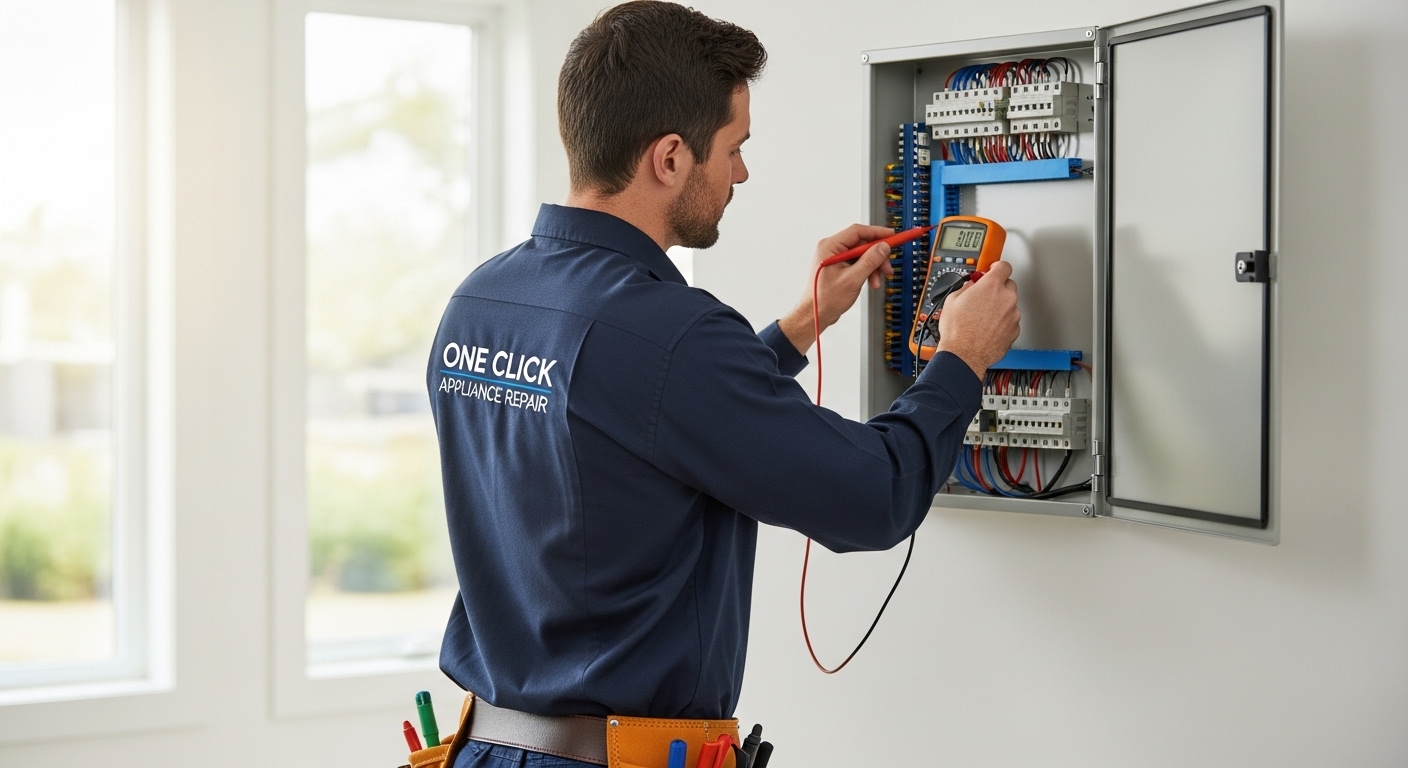 Sometimes the most practical solution involves calling in the professionals. If your Vancouver home has older wiring – particularly if it was built before 1980 – you might benefit from having a licensed electrician install dedicated 20-amp circuits specifically for space heating. This isn’t as expensive as you might think, especially if the heater location is relatively close to your electrical panel. Another option worth considering is electrical panel upgrades. Many older Vancouver homes still have 100-amp main panels that are simply insufficient for modern electrical demands. Upgrading to a 200-amp panel with additional circuit capacity can solve not just your space heater issues, but also provide room for future electrical needs like electric vehicle charging or home automation systems.
Alternative Heating Solutions
While we’re focused on solving space heater electrical problems, it’s worth exploring some alternative heating strategies that might better serve your Vancouver home’s unique needs. Sometimes the best solution to an electrical overload problem is to reduce your dependence on electrical heating altogether. Mini-split heat pumps have become incredibly popular in Vancouver’s mild climate, and for good reason. These systems provide both heating and cooling with remarkable efficiency, often using less electricity than traditional space heaters while providing much more consistent comfort. The installation requires professional HVAC work, but the long-term energy savings and improved comfort often justify the investment. For immediate relief, don’t overlook low-tech solutions that can reduce your heating load. Thermal curtains, draft stoppers, and even strategic use of blankets and warm clothing can significantly reduce the amount of supplemental heat you actually need. I discovered that sealing air leaks around windows and doors in my Burnaby home reduced my space heater usage by nearly 40% – and the materials cost less than $50 at the hardware store. Radiant heating options like heated mattress pads or electric blankets draw minimal power while providing direct warmth where you need it most. A heated mattress pad typically uses only 100-150 watts – less than most light bulbs – yet can keep you comfortable all night without heating an entire room. These targeted heating approaches can often eliminate the need for space heaters altogether.
Frequently Asked Questions
Why does my space heater trip the breaker immediately when I plug it in?
An immediate breaker trip usually indicates either a defective space heater with an internal short circuit, or you’re plugging into a circuit that’s already heavily loaded with other devices. Try unplugging everything else on that circuit first, and if the breaker still trips instantly, your heater likely needs replacement. Never attempt to ‘fix’ this by installing a larger breaker without consulting an electrician.
Can I use an extension cord with my space heater to reach a different outlet?
Absolutely not – this is one of the most dangerous mistakes Vancouver homeowners make with space heaters. Extension cords aren’t designed to handle the high amperage draw of space heaters and can overheat, creating serious fire hazards. Fire safety experts consistently identify extension cord use with space heaters as a leading cause of residential electrical fires. If your heater can’t reach an appropriate outlet, either move the heater or have an electrician install a new outlet where you need it.
How can I tell which outlets are on the same circuit as my space heater?
The easiest method is to plug a radio or lamp into the outlet where your space heater keeps tripping the breaker, then go to your electrical panel and flip breakers off one at a time until the radio goes silent. Everything that loses power when that breaker is off shares the same circuit. You can also hire an electrician to map your circuits professionally, which is especially valuable in older Vancouver homes with complex or non-standard wiring.
Wrapping Up
Vancouver’s space heater electrical crisis isn’t going away anytime soon, especially as more homeowners seek cost-effective ways to heat specific areas of their homes during our increasingly unpredictable winters. The good news is that with proper understanding of electrical loads, smart usage strategies, and sometimes professional upgrades, you can stay warm and safe without constantly battling tripped breakers. Remember that electrical safety should never be compromised for convenience – those circuit breakers are protecting your family and your home from potentially devastating fires. When in doubt, consult with professionals who can assess your specific situation and recommend the safest, most effective solutions for your Vancouver home’s unique electrical challenges. At One Click Appliance Repair, we understand the frustration of electrical issues disrupting your home comfort, and our experienced technicians can help evaluate your electrical systems and recommend safe, practical solutions for all your home heating needs.