Watching your dishwasher flood the kitchen floor at 2 AM isn’t exactly the homeowner adventure you signed up for, is it? Let’s dive into how Vancouver residents can tackle water damage from appliances before it turns into a full-scale disaster that’ll have you camping out at your neighbor’s place. Picture this: you’re living your best life in the beautiful Lower Mainland when suddenly your washing machine decides to throw an epic tantrum and transforms your laundry room into an indoor swimming pool. Trust me, I’ve been there – standing ankle-deep in sudsy water, wondering if this is what adulting was supposed to feel like. Water damage from appliances is like that uninvited guest who shows up, makes a mess, and leaves you dealing with the aftermath for weeks. The thing about appliance-related water damage is that it’s sneaky. One minute you’re binge-watching your favorite show, and the next minute you’re dealing with soggy floors, potential mold growth, and insurance claims that make your head spin. But here’s the good news: with the right knowledge and quick action, you can minimize the damage and get your home back to its cozy, dry self.
Key Outtakes:
- Water damage from appliances requires immediate action – every minute counts in preventing secondary damage like mold and structural issues
- Common appliance culprits include dishwashers, washing machines, water heaters, and refrigerators with failing seals or connections
- Professional restoration services offer 24/7 emergency response with specialized equipment for water extraction and drying
- Insurance coverage varies significantly – most policies cover sudden appliance failures but exclude gradual leaks or flood damage
- Prevention through regular appliance maintenance and inspections can save thousands in potential water damage costs
Understanding Appliance Water Damage in Vancouver Homes
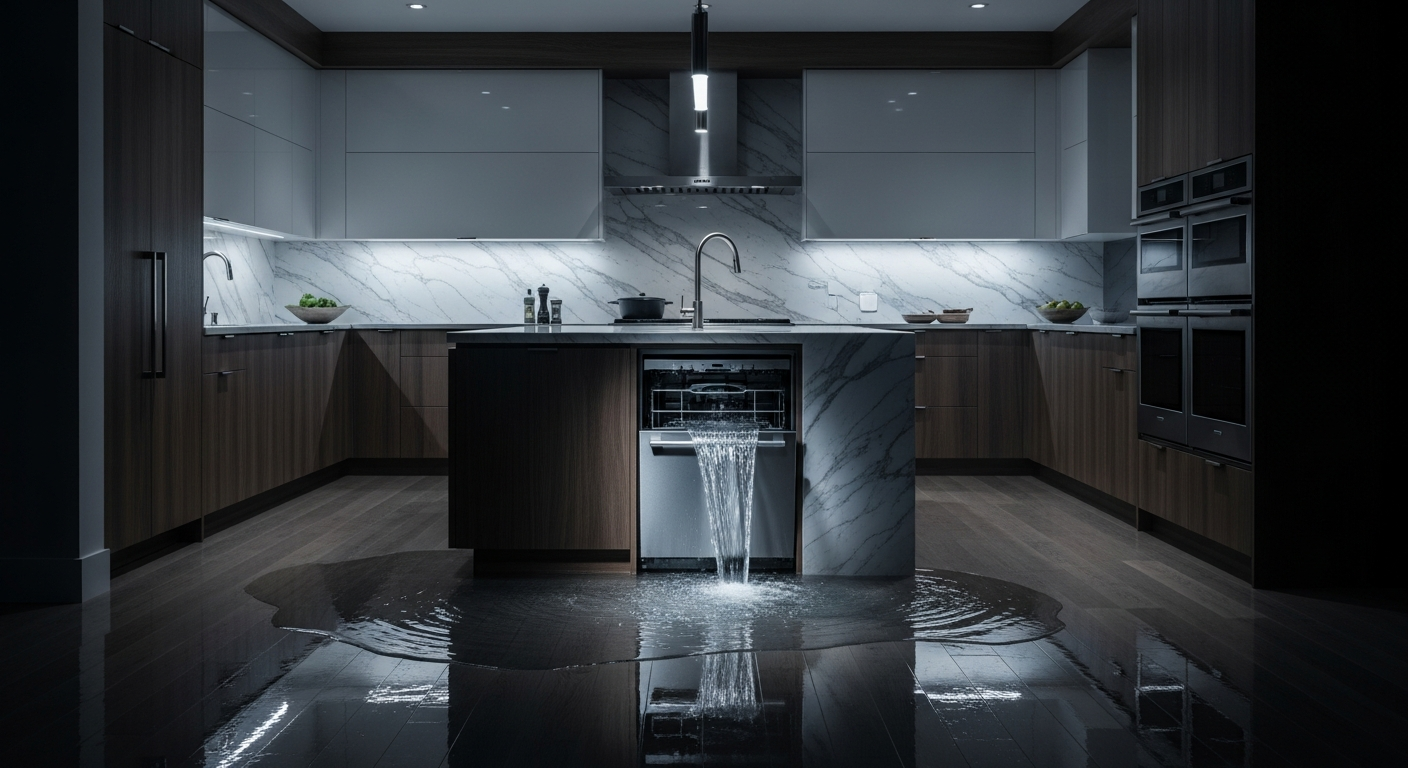
Living in Vancouver means dealing with our fair share of moisture challenges, but when your own appliances join the party, things can get messy fast. Appliance water damage is essentially any harm caused to your home when household machines malfunction and release water where it shouldn’t be. Think of it as your trusty appliances going rogue and deciding to redecorate your floors with an unwanted water feature. The reality is that even the most well-maintained appliances can fail without warning. Your dishwasher might develop a cracked seal, your washing machine could have a hose burst, or your water heater might spring a leak that turns your basement into a temporary lake. These incidents can release hundreds of gallons of water before you even notice there’s a problem, especially if they happen while you’re away from home or sleeping peacefully upstairs. What makes this particularly challenging for Vancouver homeowners is our climate. The Pacific Northwest’s naturally high humidity levels mean that any additional moisture from appliance leaks creates the perfect storm for mold growth and structural damage. When water seeps into our beautiful hardwood floors, soaks into drywall, or finds its way into hidden spaces behind cabinets, it doesn’t just sit there politely waiting for you to clean it up – it starts causing problems immediately.
Common Appliance Water Damage Scenarios
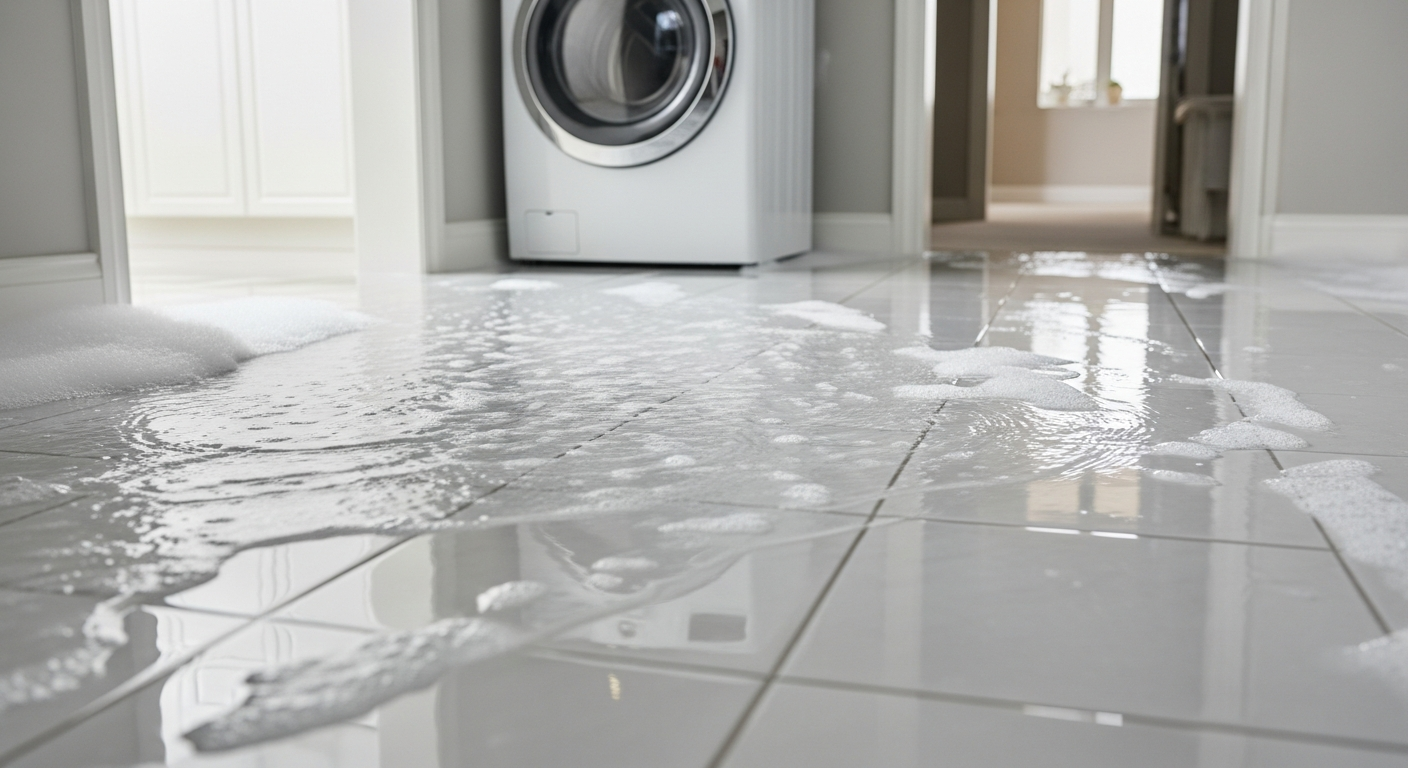
Now that we’ve covered the basics, let’s talk about the usual suspects that keep restoration professionals busy across neighborhoods like Kitsilano, West End, and Mount Pleasant. Understanding these common scenarios can help you spot trouble before it becomes a full-blown emergency. Dishwashers are notorious for causing water damage, and it’s not always obvious when they’re leaking. A failing door seal might allow water to slowly seep onto your kitchen floor during each wash cycle, gradually warping your beautiful hardwood or laminate flooring. Sometimes the damage happens so slowly that you don’t notice until you see bubbling paint on nearby walls or feel soft spots in the flooring. Other times, a dishwasher can experience a catastrophic failure where a hose bursts or the door seal completely gives way, flooding your kitchen with soapy water in minutes. Washing machines present their own unique challenges, especially in Vancouver’s older homes where laundry rooms might be located upstairs or in areas where water damage can quickly spread to multiple rooms. A burst fill hose can release water at full municipal pressure – we’re talking about potentially hundreds of gallons flooding your home before you can even locate the shut-off valve. Even more concerning is when the drain hose fails or becomes disconnected, allowing dirty wash water to pour onto floors and potentially seep into subfloors and wall cavities. Water heaters might seem like they’re safely tucked away in basements or utility rooms, but when they fail, they can cause extensive damage quickly. A small leak at the base might go unnoticed for weeks, slowly damaging surrounding structures and creating perfect conditions for mold growth. However, when a water heater tank ruptures or a major fitting fails, you could be looking at 40-80 gallons of water suddenly released into your home’s foundation area.
Refrigerator and Ice Maker Issues
Don’t overlook your refrigerator as a potential source of water damage. Modern fridges with ice makers and water dispensers have multiple connection points where leaks can develop. A failed water line connection behind the fridge might drip slowly for months, causing hidden damage to flooring and walls that you won’t discover until the problem becomes severe enough to notice standing water or unusual odors.
Immediate Response Steps for Appliance Water Damage
Moving from identifying potential problems to actually dealing with them, let’s discuss what you need to do in those critical first moments when you discover water where it shouldn’t be. The actions you take in the first hour can literally save you thousands of dollars in damage and weeks of restoration work. Your first priority should always be safety – never enter areas with standing water if there’s any possibility of electrical hazards. Turn off power to the affected area at the circuit breaker if you can do so safely from a dry location. Once you’ve addressed immediate safety concerns, locate and stop the water source if possible. For appliances, this might mean turning off the appliance itself, closing water supply valves, or in extreme cases, shutting off water to your entire home at the main valve. Document everything immediately, even before you start cleanup efforts. Take photos and videos of the damage from multiple angles – your insurance company will thank you later, and these records can be crucial for getting proper coverage. While you’re documenting, start moving valuable items and furniture away from the affected area. Water spreads quickly and can damage items that seem safely distant from the initial leak. Time is absolutely critical when it comes to water extraction and drying. Standing water should be removed as quickly as possible, and affected surfaces need to start drying immediately to prevent mold growth. Professional restoration services often recommend beginning drying efforts within 24-48 hours to prevent secondary damage. If you’re dealing with a significant amount of water, don’t hesitate to call in professionals who have industrial-grade extraction and drying equipment.
Contacting Your Insurance Company
While you’re managing the immediate crisis, contact your insurance company as soon as reasonably possible. Many insurers have 24/7 claim reporting systems, and early notification can help streamline your claim process. Be prepared to provide basic details about what happened, when it occurred, and the extent of visible damage. Don’t worry about having all the details perfect – you can provide additional information as the situation develops.
Professional Restoration and Repair Services
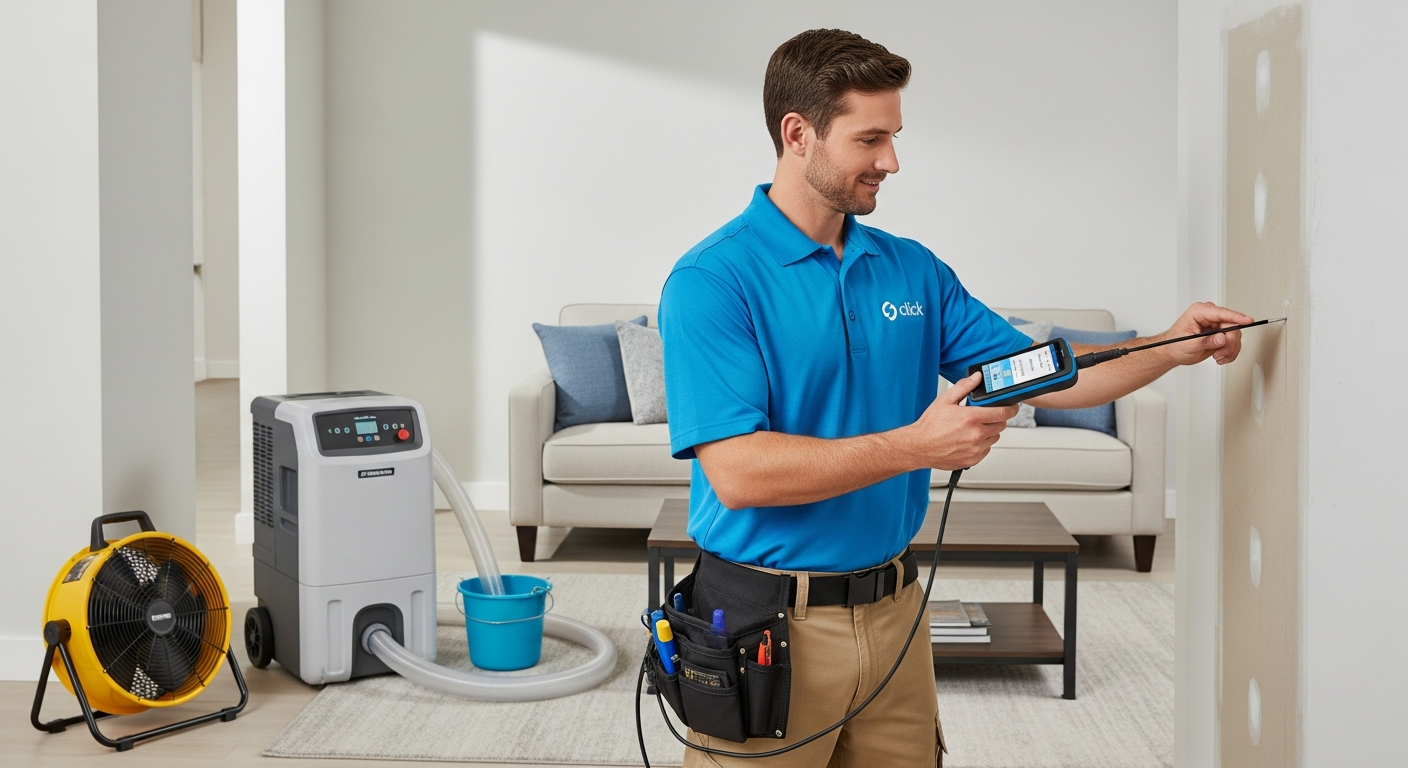
After handling the immediate emergency, it’s time to think about professional help for comprehensive restoration. Even if the initial water damage seems manageable, hidden moisture can cause problems for months or even years if not properly addressed. Professional restoration services bring expertise, specialized equipment, and systematic approaches that go far beyond what typical homeowners can accomplish with household tools. Professional water damage restoration typically follows a structured process that begins with comprehensive moisture detection and assessment. Restoration technicians use thermal imaging cameras, moisture meters, and other specialized tools to identify water infiltration that isn’t visible to the naked eye. They can detect moisture trapped in wall cavities, under flooring, and in other hidden areas that homeowners typically miss. This thorough assessment is crucial for preventing future mold problems and ensuring that all affected materials are properly addressed. The actual restoration process involves industrial-grade water extraction, structural drying, dehumidification, and often antimicrobial treatments to prevent mold and bacteria growth. Professional-grade equipment can remove moisture from materials and air much more quickly and thoroughly than consumer-grade options. Many restoration companies also provide content cleaning and restoration services, helping to salvage furniture, electronics, documents, and other personal belongings that were affected by the water damage. One significant advantage of working with established restoration companies is their experience with insurance claims processes. Many companies work directly with insurance providers and can help navigate coverage questions, documentation requirements, and claim procedures. Some even offer direct insurance billing, which means you might only need to pay your deductible rather than covering all costs upfront and waiting for reimbursement.
Choosing the Right Restoration Service
When selecting a restoration company, look for IICRC certification, which indicates that technicians have received proper training in water damage restoration standards and procedures. Companies that offer 24/7 emergency response, local ownership, and comprehensive services from initial mitigation through final reconstruction tend to provide better overall experiences for homeowners dealing with water damage crises.
Frequently Asked Questions
How quickly do I need to act when I discover appliance water damage?
Time is absolutely critical with water damage – you should begin addressing the situation immediately. Water extraction and drying should ideally start within the first 24-48 hours to prevent mold growth and minimize structural damage. The longer water sits, the more extensive and expensive the damage becomes.
Will my homeowner’s insurance cover appliance water damage?
Coverage depends on your specific policy and the cause of the damage. Most standard homeowner’s insurance policies cover sudden and accidental water damage from appliance failures, like a burst washing machine hose or dishwasher malfunction. However, they typically exclude damage from gradual leaks, poor maintenance, or flooding from external sources. Contact your insurance provider immediately to report the claim and understand your coverage.
Can I handle water damage cleanup myself, or do I need professionals?
While you can manage immediate water removal for small incidents, professional restoration is recommended for significant water damage. Professionals have specialized equipment for thorough moisture detection, extraction, and drying that prevents hidden problems like mold growth. Even seemingly minor incidents can have hidden moisture that causes problems later if not properly addressed.
How long does the water damage restoration process typically take?
The timeline varies significantly based on the extent of damage, but most projects follow this general pattern: 1-3 days for water extraction and initial drying, followed by 3-7 days for complete structural drying and repairs. More extensive damage requiring reconstruction can take several weeks. Professional restoration companies provide detailed timelines after their initial assessment.
Wrapping Up
Water damage from appliances might feel like a homeowner’s worst nightmare, but with quick action and the right professional support, you can get your home back to normal faster than you might expect. Remember that every minute counts when water damage occurs – the sooner you address the problem, the less extensive and expensive the repairs will be. When water damage strikes your Vancouver home, One Click Appliance Repair connects you with experienced restoration professionals who understand both appliance failures and comprehensive water damage solutions, ensuring your home gets the expert care it needs to prevent long-term problems and get your life back on track.